How to Read Tire Size
Your tire sidewall isn’t random lettering. It’s a technical specification that affects how your vehicle handles, brakes, rides, and carries weight. If you understand how to read tire size, you make smarter decisions about tire replacements, upgrades, and overall vehicle safety.
At The Maintenance Shop, your trusted auto repair shop in Kansas City, we help drivers choose the correct tire based on manufacturer specifications, vehicle condition, and real-world driving needs, not guesswork. Here’s how to decode what’s printed on your tires.
Where to Find Your Tire Size
You’ll find your tire size in two places:
- On the tire sidewall
- On the driver-side door jamb placard
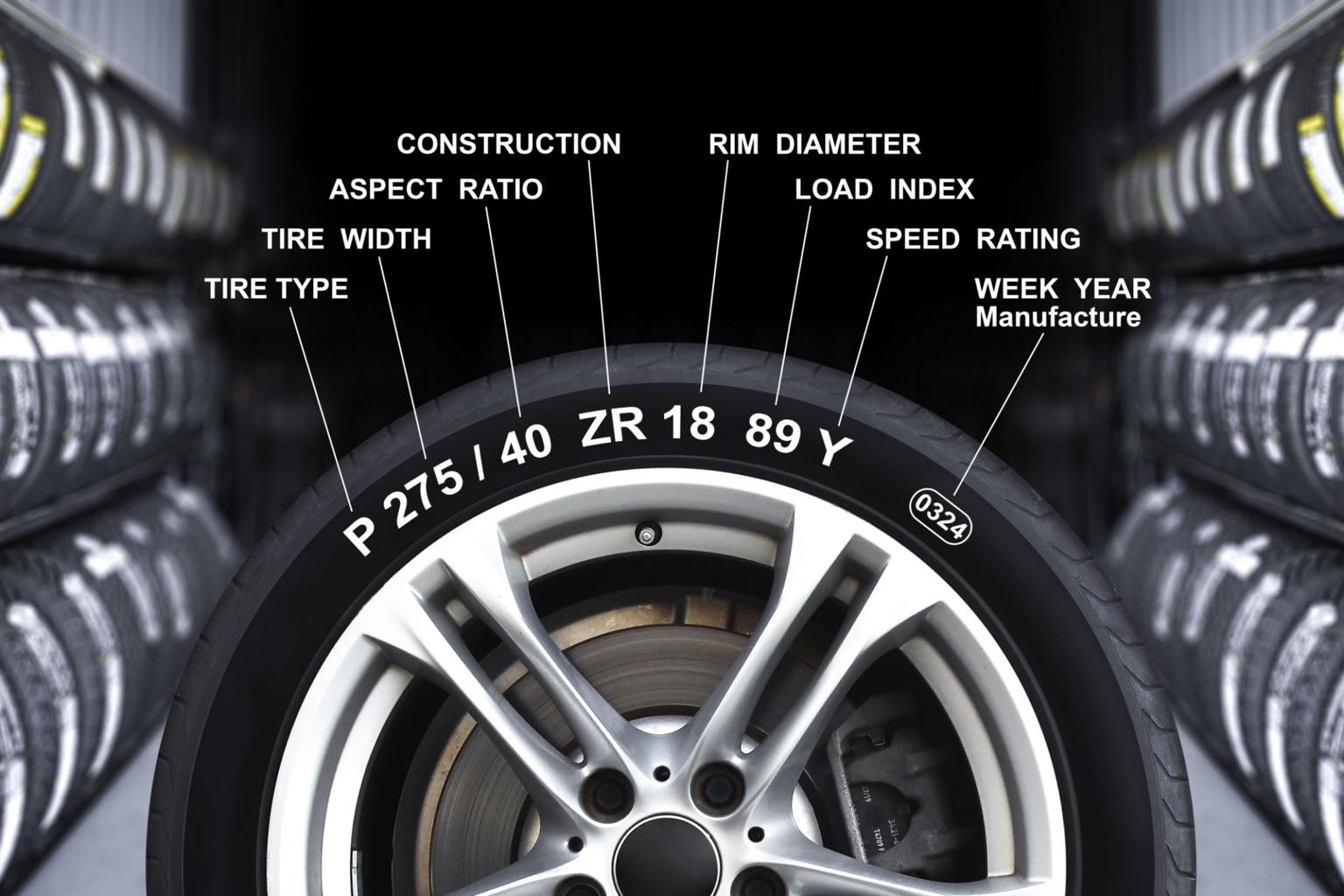
A typical tire size looks like this:
225/45R17 94W
Each part has a specific meaning.
Breaking Down Tire Size Numbers
-
Section Width – 225
The first number (225) is the tire’s width in millimeters from sidewall to sidewall.
- Wider tires generally provide more grip.
- Narrower tires may improve fuel economy and winter traction.
- Width must match approved wheel specifications.
Installing the wrong width can lead to uneven wear, rubbing, or steering issues.
-
Aspect Ratio – 45
The second number (45) is the aspect ratio. It represents the sidewall height as a percentage of the tire width.
In this case:
- 45% of 225 mm = 101.25 mm sidewall height
Lower tire aspect ratio:
- Shorter sidewall
- Sharper steering response
- Firmer ride
Higher tire aspect ratio:
- More comfort
- More sidewall flex
- Better impact absorption
Choosing the wrong aspect ratio can affect ride height, suspension geometry, and speedometer accuracy.
-
Construction Type – R
The letter “R” stands for radial construction.
Nearly every modern passenger vehicle uses radial tires. The internal construction improves durability, tread life, and overall performance.
-
Wheel Diameter – 17
The 17 indicates the wheel diameter in inches.
This number must match your wheel size exactly. A 17-inch tire will only fit a 17-inch wheel.
Changing wheel diameter affects:
- Ride height
- Steering feel
- Handling balance
- Brake clearance
If you’re considering different wheel sizes, consult a professional before making changes.
Load Index and Speed Rating
After the main size, you’ll see something like:
94W
Load Index – 94
The load index represents the maximum weight the tire can safely carry when properly inflated.
For example:
- 94 = 1,477 lbs per tire
Multiply that by four tires to determine total load capacity.
Installing tires with a lower load index than your vehicle requires:
- Increases heat buildup
- Reduces structural integrity
- Compromises safety
At The Maintenance Shop, we verify load ratings every time we install new tires.
Speed Rating – W
The speed rating indicates the maximum sustained speed capability of the tire.
Examples:
- H = 130 mph
- V = 149 mph
- W = 168 mph
- Y = 186 mph
Even if you never reach those speeds, speed rating reflects heat resistance and construction strength.
Lower-rated tires may wear faster or perform poorly under highway stress.
Why Tire Size Matters More Than You Think
Tire size affects:
- Braking distance
- Steering response
- Fuel efficiency
- ABS and traction control performance
- Speedometer accuracy
- Alignment wear patterns
- Alignment specs
Incorrect sizing can lead to:
- Premature suspension wear
- Drivetrain strain (especially on AWD vehicles)
- Handling instability
- Increased road noise
We frequently see vehicles come in with mismatched or improperly sized tires purchased elsewhere. It often leads to uneven wear or vibration complaints that could have been avoided.
Can You Change Tire Size?
In some cases, yes, but it must be done correctly.
Approved plus-sizing or minus-sizing requires:
- Maintaining the overall tire diameter
- Confirming wheel width compatibility
- Ensuring proper load index
- Checking fender and suspension clearance
Random upsizing without calculation can cause rubbing, electronic system errors, and long-term damage.
If you’re unsure, speak with a professional auto repair specialist in Kansas City who understands how tire sizing integrates with suspension and drivetrain systems.
How to Choose the Right Tire for Your Vehicle
The safest starting point is always your manufacturer’s recommended size listed on the door placard.
From there, you consider:
- Driving conditions (highway, city, winter, performance)
- Vehicle weight
- Towing or hauling demands
- Alignment condition
- Budget vs longevity
At The Maintenance Shop, we offer a wide selection of quality tires for all vehicle types. As a trusted tire shop in the Kansas City area that drivers rely on, we match the correct tire to your vehicle’s specifications and your driving habits, not just what’s cheapest.
Why Work With The Maintenance Shop?
Choosing the correct tire isn’t just about reading numbers. It requires understanding:
- Suspension geometry
- Alignment specs
- Load distribution
- Electronic stability systems
We’ve been serving Gladstone and the Kansas City area since 1999. As an AAA Approved Auto Repair facility and ASE Blue Seal of Excellence shop, our team verifies proper sizing, installs with precision, and backs our work with a two-year, 24,000-mile warranty.
Owners Andrew and Claire Seroogy remain hands-on in the shop every day, ensuring customers receive accurate recommendations, clear communication, and repairs done right the first time.
Final Takeaway
Reading a tire size is straightforward once you understand the format:
Width / Aspect Ratio / Construction / Diameter + Load Index + Speed Rating
Every number impacts your vehicle’s performance and safety.
Before your next tire purchase, take a moment to decode your sidewall, or better yet, bring your vehicle to The Maintenance Shop in Gladstone. We’ll confirm the correct fit, inspect your alignment, and make sure your vehicle drives exactly as it should.
Tires aren’t just rubber. They’re the foundation of your vehicle’s safety and control.