Can Oil Changes Really Last 10,000 Miles?

Yes, some vehicles can go 10,000 miles between oil changes when the manufacturer allows it, the correct oil is used, and the driving conditions fit that schedule. Other vehicles need service sooner. A bottle labeled “full synthetic” does not automatically make a 10,000-mile interval right for your engine.
That is why two drivers can receive different oil-change recommendations without either recommendation being wrong. One might spend most of the week on the highway. The other might make several short trips around Gladstone, idle in traffic, and rarely give the engine a long run.
At TMS Auto Repair in Kansas City, the useful question is not simply how far synthetic oil can last. It is how long the specified oil should stay in your particular engine.
When a 10,000-mile oil change interval makes sense
A longer interval starts with an actual manufacturer recommendation. Check the maintenance guide for your model year and engine, including any separate schedule for demanding use.
Toyota provides a useful example. Its oil-interval guidance for certain 2010–2014 vehicles permitted 10,000 miles with the specified 0W-20 oil, while excluding particular engines and requiring shorter intervals under listed special operating conditions. That example shows why an approved interval cannot be applied to every Toyota, much less every vehicle.
Before planning on 10,000 miles, confirm these details:
- Your vehicle’s maintenance schedule permits that interval.
- The oil meets the required viscosity and performance specifications.
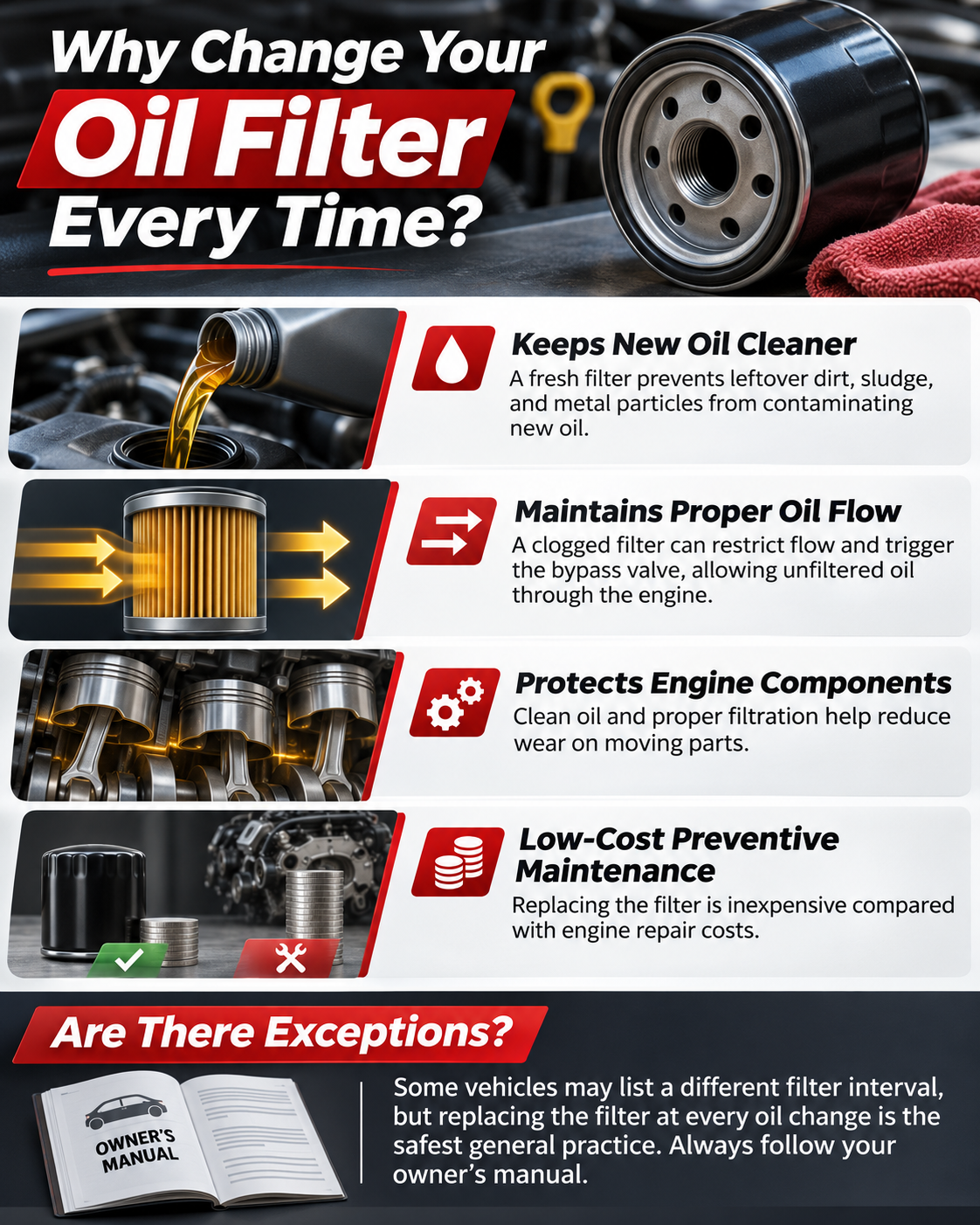
- The oil filter is appropriate for the engine and service interval.
- Your driving does not trigger a shorter schedule.
- You will reach the mileage limit before the calendar limit or an earlier oil-change alert.
If one of those details is uncertain, look it up before extending the interval. Your last service receipt should identify the oil used, and the owner’s manual should explain the maintenance requirements.
Why synthetic oil can last longer
Engine oil does more than make moving parts slippery. It helps control deposits, carries heat away from lubricated components, and keeps contaminants suspended until the oil is drained or particles are captured by the filter.
Synthetic oils can provide strong resistance to oxidation and high-temperature breakdown. Those qualities help support longer service intervals in engines designed and approved for them. However, oil also accumulates contamination during use, and its additives have a finite working life.
Think of “full synthetic” as one part of the selection process. The viscosity, manufacturer approval, oil capacity, engine design, and operating conditions still matter. An oil advertised for extended use does not replace the vehicle manufacturer’s maintenance instructions.
Mobil’s own guidance tells drivers to follow the oil and filter change frequencies in their owner’s manual, particularly during the warranty period.
When should you change the oil sooner?
A shorter interval may be required when your driving matches the manufacturer’s severe-service or special-operating-conditions schedule. The exact definitions vary by vehicle.
Common examples include repeated cold-weather short trips, substantial idling, towing or heavy hauling, and frequent operation in dusty conditions. A work vehicle that runs for hours while covering relatively few miles can put considerable operating time on its oil.
Consider a school drop-off, a brief trip to the store, and a short drive home. The odometer barely moves, but the engine goes through several starts. In cold weather, it may spend much of that time warming up.
Tell your technician about those habits. “Mostly local driving” is useful information; “five separate two-mile trips most days” is even more useful. The goal is to match your actual use to the correct schedule rather than assume every city driver needs the same interval.
Does the oil life monitor replace the mileage schedule?
Follow the monitor as instructed in the owner’s manual, along with any maximum time or distance limit. Many systems estimate oil life using operating information rather than directly testing an oil sample.
For example, Ford describes its Intelligent Oil-Life Monitor as calculating service needs from vehicle use. Applicable instructions can also impose a maximum interval, so a remaining-life percentage is not permission to ignore the calendar.
Three practical habits make the monitor more useful: have it reset after an actual oil change, respond to its service message, and keep checking oil level separately. Do not reset a reminder just to make it disappear.
If you bought a used vehicle and cannot confirm the last oil change, a dashboard percentage alone does not establish the maintenance history.
Ten thousand miles does not mean ten thousand miles without checking
An extended drain interval still leaves room for routine attention. Engines can consume oil or develop a leak between services, and an oil life display should not be treated as an oil-level gauge.
Use the dipstick or electronic level-check procedure described in your manual. Follow its instructions about engine temperature, waiting time, and level parking. Add only the specified oil if needed, and avoid overfilling.
Let the shop know if the level repeatedly drops. Recording how much oil you add and the mileage between top-ups gives the technician something concrete to investigate.
Also keep other maintenance on its own schedule. Tire rotations, inspections, and other services may still come due before the next oil change. TMS can help coordinate these through factory scheduled maintenance.
Signs you should not wait for the next scheduled visit
A service reminder and an oil-pressure warning are different problems. If the oil-pressure warning appears while the engine is running, stop safely and shut the engine off. Continuing to drive can cause serious damage; arrange assistance and follow the vehicle’s instructions.
A new leak, unusual engine noise, repeated low oil level, or a level that rises unexpectedly also deserves attention before the next planned change.
Oil color alone is less useful. Oil can darken as it works, so a dark dipstick sample does not establish that it has failed. Likewise, oil that looks relatively clean is not proof that it can safely stay in service longer.
Common questions about 10,000-mile oil changes
Is changing synthetic oil at 5,000 miles a waste?
Not necessarily. Some vehicles or operating conditions require that interval. For a vehicle approved for a longer schedule, ask what specific condition supports an earlier recommendation rather than assuming either number is always right.
Can I wait if I drive only a few thousand miles a year?
Use the manufacturer’s time limit even when you have not reached the mileage limit. Low annual mileage does not remove the calendar requirement.
Does adding oil restart the interval?
No. A top-up restores the level but does not replace the entire oil supply or the filter. Keep the original service schedule unless a technician identifies a reason to change it.
Find the right oil change schedule in Kansas City
Bring your mileage, maintenance records, and a description of your usual driving to TMS Auto Repair at 7012 N. Oak Trafficway. We can help you plan oil change service around your vehicle’s requirements and the way you use it.
Schedule service or check current deals and coupons before your visit.